Châteauneuf-du-Pape
The popes’ wine village on the stones of the Rhône valley, 20 minutes north of Avignon, with a ruined castle above the vines.
The short version
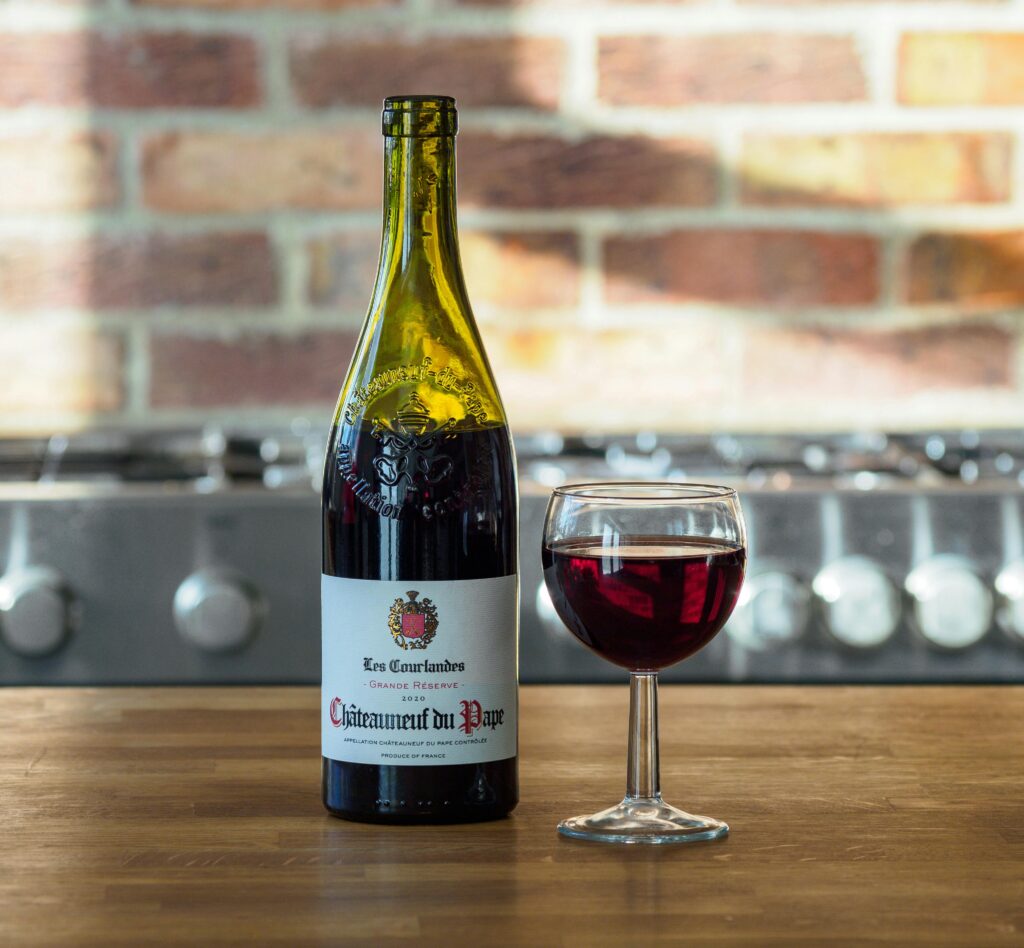
- Châteauneuf-du-Pape became one of France’s first six wine appellations by a decree of May 15, 1936. Its 3,150 hectares of vines spread over five villages north of Avignon, and about 93 percent of the wine is red.
- Our Best of Provence in Three Days ends with a morning in the vineyards: guided visits and tastings at two estates, back in Avignon about 1:00 p.m. for the train home. One Night in Provence, $775, starts with the Roman theater in Orange and a cellar tour and tasting here on the first afternoon.
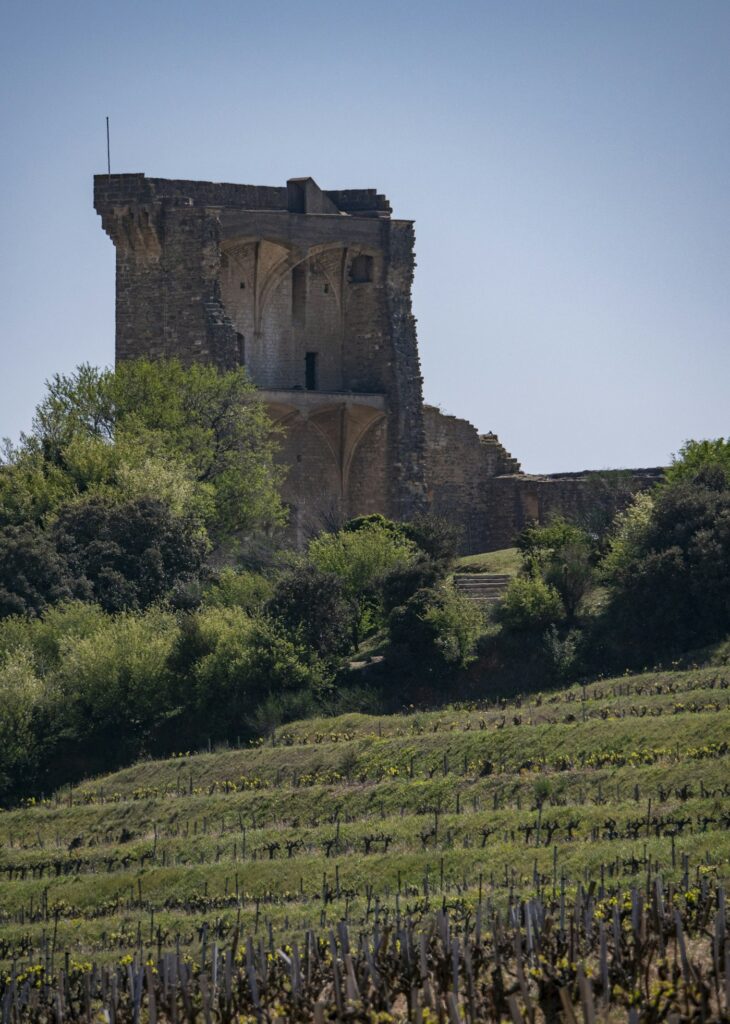
- The ruined castle of the popes stands at the top of the village, free and open all year, with a view over the vines to the Rhône and Avignon.
- Many estates pour free in their shops, while cellar tours are booked and paid. In the village, La Vinothèque, run by the growers, pours five wines from five estates for €25, booked online, Tuesday to Saturday from May to October.
- No bus runs from Avignon to the village. The train to Sorgues takes 8 minutes, and the Zou! 922 bus from Sorgues runs on weekdays only.

What to see
Pope John XXII built a summer castle here between 1317 and 1333, while the popes ruled from Avignon. It burned during the Wars of Religion in 1563, and German troops blew up its north side on August 20, 1944. The keep and the south wall still stand over the village, with an orientation table and free parking nearby.
Look at the ground between the vines. Much of the appellation is covered in galets roulés, round Alpine stones the Rhône carried down during the ice ages, which store the day’s heat and give it back to the grapes at night. They cover only part of the vineyard, beside sand, limestone, sandstone and clay.
The rules allow 13 grape varieties, 18 counting their colors, and most reds are blends led by Grenache with Syrah and Mourvèdre. The whites, a small share, use Clairette, Grenache blanc, Roussanne and Bourboulenc. In 1923 Baron Le Roy of Château Fortia founded the growers’ syndicate, and the rules it wrote helped shape the French appellation system.
In the village, the Musée du Vin Brotte offers an audio-guided museum with three wines for €10, open every day except December 25 and January 1. The Famille Perrin of Château de Beaucastel runs a tasting room on place du Portail, open Monday to Saturday without booking. Outside the village, Château La Nerthe and Château Mont-Redon pour in their shops without appointments and charge for guided cellar visits.
Getting there and around
By car, Châteauneuf-du-Pape is 17 kilometers and about 20 minutes north of Avignon. Park free near the castle at the top of the village.
Regional trains run from Avignon Centre to Sorgues–Châteauneuf-du-Pape station in about 8 minutes, with 27 direct trains a day. From Sorgues, the Zou! 922 bus to Châteauneuf runs about six times a day, Monday to Friday only.
The estates sit on farm roads around the village, and none of them has a bus. If you drive, the driver spits; France’s legal limit is 0.5 grams per liter.
Our three-day trip collects you at the Avignon tourist office at 9:00 for two estates with guided visits and tastings. The Six Days in Provence pairs Châteauneuf with Tavel, the rosé village across the Rhône, and the Five Days in Provence visits two cellars after the Lavender Museum on its last day, with lunch included.
When to go
Any season works for tasting, since the cellars stay open all year. Spring and autumn are the best for walking the vines; during the September harvest, expect tractors on the roads.
The Fête de la Véraison fills the village with tastings and a medieval market in early August; in 2026 it ran July 31 to August 2. Les Printemps de Châteauneuf-du-Pape, the growers’ spring wine fair, runs April 2 to 4, 2027, with entry at €12.
Many estates and the tourist office close on Sunday, and La Vinothèque runs from May to October. In winter the Musée Brotte closes for lunch, so plan the morning or the afternoon.
Frequently Asked Questions
Do you need to book tastings in Châteauneuf-du-Pape?
For the shop counters at many estates, no; for cellar tours, yes, online and ahead. In the village, La Vinothèque books online, and the Perrin tasting room takes walk-ins Monday to Saturday.
Can you visit the castle?
Yes. The ruined keep of the popes’ castle is free and open all year, with an orientation table and the view over the vineyards to the Rhône.
Can I visit Châteauneuf-du-Pape from Avignon without a car?
The village, yes: the train to Sorgues takes 8 minutes and the weekday bus runs about six times a day. The estates around it have no bus, so on your own you taste in the village shops. Our guides drive you to two estates with booked cellar tours and have you back in Avignon by about 1:00 p.m.
What grapes are in Châteauneuf-du-Pape?
Up to 13 varieties are allowed, 18 counting their colors. Most reds are led by Grenache, with Syrah, Mourvèdre and Cinsault, and the whites use Clairette, Grenache blanc, Roussanne and Bourboulenc.
Is there a tour from Paris?
Yes. Our Best of Provence in Three Days, $1,925, ends with two Châteauneuf estates. One Night in Provence, $775, pairs a Châteauneuf cellar with the Roman theater in Orange, and the Six Days in Provence, $2,350, adds Tavel. All meet at Avignon TGV.
Our Most Popular Trips From Paris
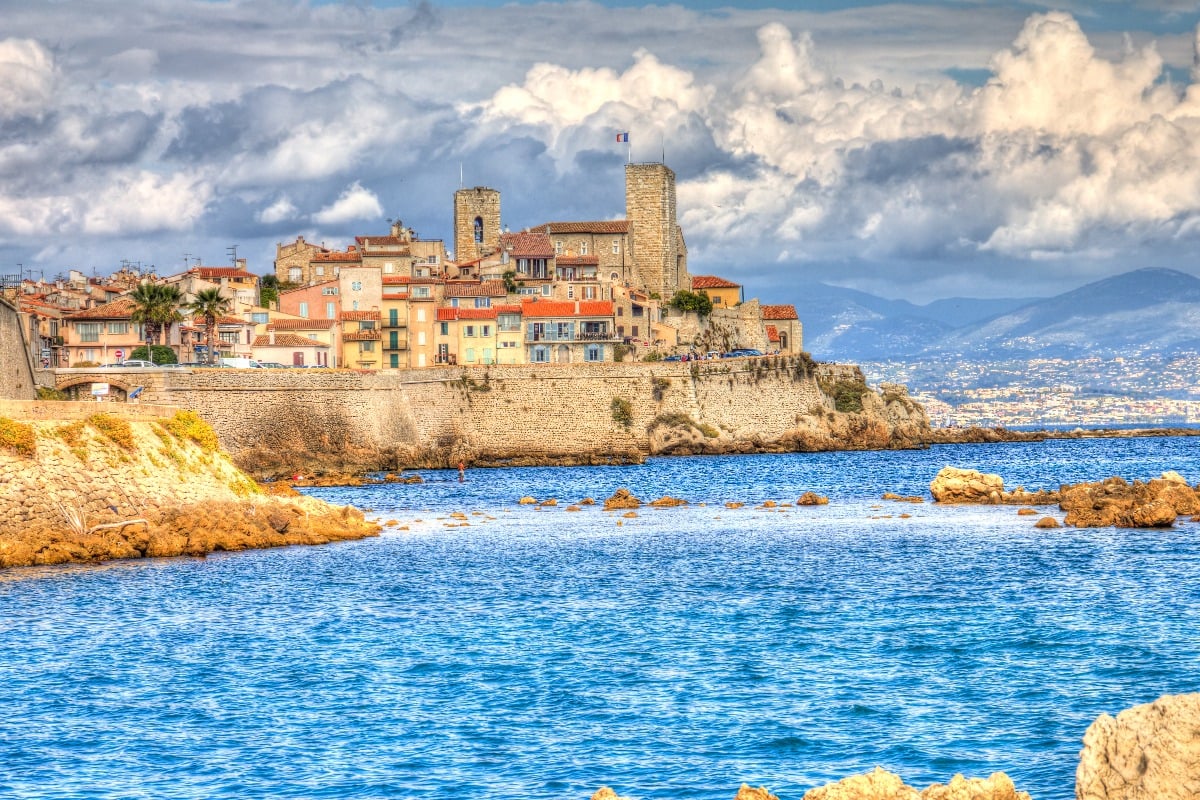
Six days and five nights from Avignon to Nice, with a 5-star upgrade available.

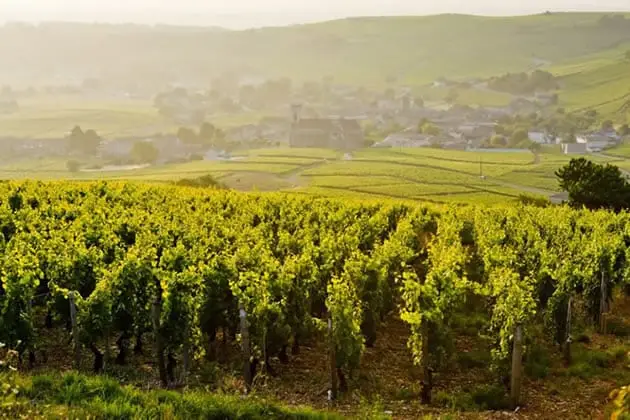
Visit France’s other premier wine region! Sample world-class wines and explore charming villages.